Featured Reviews

Piergiorgio Sansone's review...


Bradley Edwards's review...
My experience with the program so far
As a retired Army combat veteran with 23 years of service, I call it like I see it. I've tested a lot of traffic tools over time, and honestly, most of them overpromise and underdeliver. That's why I was pleasantly surprised by the Painless Traffic App. From day one, it did exactly what it claims - it sends real people to your website without complicated setups or ridiculous costs.
What stood out immediately was the quality of traffic. These aren't bots or fake hits. I can see real visitors landing on my pages, clicking around, and actually spending time on my site. That alone puts this app miles ahead of many "cheap traffic" platforms out there.
Another big plus is affordability. For what you're getting, the price is almost a no-brainer, especially for beginners or anyone testing offers. I've already seen sales being made, and while this isn't a magic button that replaces real marketing work, it's been a solid traffic source that actually converts when paired with a decent offer or funnel.
So far, the experience has been smooth, straightforward, and stress-free - exactly what the name suggests.
What I Like
1. Very affordable compared to most traffic tools
2. Real people viewing my website (not bots)
3. Easy to use - no tech headaches
4. Consistent traffic flow
5. Sales are being generated, which is the whole point
What I Dislike
1. Results still depend on your offer
Final Verdict
Overall, the Painless Traffic App lives up to its name. It's a legit, budget-friendly way to get real eyes on your website and start generating momentum. If you're tired of overpriced traffic tools or fake clicks, this is definitely worth testing. I'll be continuing to use it and track results, but so far, I'm impressed.
If you want traffic without the stress, this one deserves a look.
Visit Painlesstraffic.com
As a retired Army combat veteran with 23 years of service, I call it like I see it. I've tested a lot of traffic tools over time, and honestly, most of them overpromise and underdeliver. That's why I was pleasantly surprised by the Painless Traffic App. From day one, it did exactly what it claims - it sends real people to your website without complicated setups or ridiculous costs.
What stood out immediately was the quality of traffic. These aren't bots or fake hits. I can see real visitors landing on my pages, clicking around, and actually spending time on my site. That alone puts this app miles ahead of many "cheap traffic" platforms out there.
Another big plus is affordability. For what you're getting, the price is almost a no-brainer, especially for beginners or anyone testing offers. I've already seen sales being made, and while this isn't a magic button that replaces real marketing work, it's been a solid traffic source that actually converts when paired with a decent offer or funnel.
So far, the experience has been smooth, straightforward, and stress-free - exactly what the name suggests.
What I Like
1. Very affordable compared to most traffic tools
2. Real people viewing my website (not bots)
3. Easy to use - no tech headaches
4. Consistent traffic flow
5. Sales are being generated, which is the whole point
What I Dislike
1. Results still depend on your offer
Final Verdict
Overall, the Painless Traffic App lives up to its name. It's a legit, budget-friendly way to get real eyes on your website and start generating momentum. If you're tired of overpriced traffic tools or fake clicks, this is definitely worth testing. I'll be continuing to use it and track results, but so far, I'm impressed.
If you want traffic without the stress, this one deserves a look.
Visit Painlesstraffic.com


Robert 's review...
Plug-In Profit Site Review (PIPS) – My Experience Coming Back After Falling Off
I'm writing this from the perspective of someone who actually signed up, drifted away, then came back when the program got revamped.
A couple years ago, I joined Plug-In Profit Site because I liked the promise: a done-for-you website, follow-up emails, and step-by-step training so I wouldn't be stuck staring at a blank screen. The problem was simple though money was tight, and I wasn't consistent. I basically blew it off and stopped pushing it.
Fast forward to recently: I heard Stone updated the system and made the affiliate side easier. I decided to jump back in, but this time using my own site (foryoursolutions.com) and following the newer instructions. And something finally happened: I got my first referral under me. No commissions yet, but for me that was a real 'ok this can work' moment, because it proved the tracking and flow is working.
That's where I'm at right now: momentum is back, and I'm building it the right way instead of hoping magic happens.
What Plug-In Profit Site Is (in plain English)
Plug-In Profit Site is basically a 'starter system' for affiliate marketing.
They give you:
The core idea is: build one simple hub, build your list, and promote a handful of affiliate income streams as you go.
What You Get When You Join
Based on the current official page, the pitch includes:
That 'optional income streams' part matters, because that's where the real business model is.
The Part People Miss: 'Free' vs 'Costs'
Signing up can be free, but making it work usually involves joining at least some of the recommended programs/tools, and those may cost money depending on what you choose. That's not automatically 'bad, ' but it's where people get surprised, so it needs to be said clearly.
Some reviews criticize PIPS heavily for this upsell ecosystem, and basically argue that the creator benefits when members buy into the connected programs.
My take: this is normal in affiliate marketing, but you still need to go in with eyes open and keep control of your budget.
What I Like So Far
1) It gives you structure.
When you're new (or coming back like me), having a clear 'do this next' path helps a lot.
2) You don't start from zero.
A blank website is a motivation killer. Starting with something already built removes friction.
3) I got a real result after returning.
My first referral isn't life-changing money yet, but it's proof the setup can produce action when I actually work it.
What I Don't Like (or would warn a friend about)
1) It's not 'push button. '
No matter what anyone says, you still need traffic and consistency. Even critics who dislike the program point out the same core issue: traffic is the real battle.
2) The 'multiple income streams' can distract you.
If you chase every stream at once, you end up promoting nothing effectively. Pick one main offer to lead with, and let the rest be back-end options later.
3) Budget creep is real.
If you're not careful, you can spend money trying to 'activate everything' before you've proven you can get leads daily.
Who I Think PIPS Is For
Good fit if you:
Not a good fit if you:
How I'm Approaching It This Time (so I don't repeat my old mistake)
Here's the simple rule I'm using now:
I'm not 'joining stuff' until I'm consistently getting leads.
That keeps me from spending money emotionally. I'm building the habit first: content, traffic, opt-ins, follow-up.
Also, I'm setting up my email side correctly (I'm upgrading tools on my end so I can run the full follow-up the right way). That's important, because the money is usually in the follow-up, not the first click.
My Honest Verdict So Far
Plug-In Profit Site isn't magic, and it's not for people who want zero work.
But if you're the type of person who does better with a clear roadmap (like me), it can be a solid 'get moving again' system. The done-for-you setup and daily plan remove a lot of the beginner friction.
For me personally: I'm cautiously optimistic because I'm already seeing signs of life (my first referral) after I came back and followed the steps consistently.
Visit Pluginprofitsite.com
I'm writing this from the perspective of someone who actually signed up, drifted away, then came back when the program got revamped.
A couple years ago, I joined Plug-In Profit Site because I liked the promise: a done-for-you website, follow-up emails, and step-by-step training so I wouldn't be stuck staring at a blank screen. The problem was simple though money was tight, and I wasn't consistent. I basically blew it off and stopped pushing it.
Fast forward to recently: I heard Stone updated the system and made the affiliate side easier. I decided to jump back in, but this time using my own site (foryoursolutions.com) and following the newer instructions. And something finally happened: I got my first referral under me. No commissions yet, but for me that was a real 'ok this can work' moment, because it proved the tracking and flow is working.
That's where I'm at right now: momentum is back, and I'm building it the right way instead of hoping magic happens.
What Plug-In Profit Site Is (in plain English)
Plug-In Profit Site is basically a 'starter system' for affiliate marketing.
They give you:
- a website setup (so you're not starting from scratch),
- a training path (so you know what to do next),
- and follow-up emails/list-building pieces meant to help turn visitors into leads and leads into sales over time.
The core idea is: build one simple hub, build your list, and promote a handful of affiliate income streams as you go.
What You Get When You Join
Based on the current official page, the pitch includes:
- Done-for-you website with pages and structure already in place
- Automated follow-up emails / list building
- Step-by-step training (30 Days to Success / daily action plan style)
- Optional 'multiple income streams' you can connect
That 'optional income streams' part matters, because that's where the real business model is.
The Part People Miss: 'Free' vs 'Costs'
Signing up can be free, but making it work usually involves joining at least some of the recommended programs/tools, and those may cost money depending on what you choose. That's not automatically 'bad, ' but it's where people get surprised, so it needs to be said clearly.
Some reviews criticize PIPS heavily for this upsell ecosystem, and basically argue that the creator benefits when members buy into the connected programs.
My take: this is normal in affiliate marketing, but you still need to go in with eyes open and keep control of your budget.
What I Like So Far
1) It gives you structure.
When you're new (or coming back like me), having a clear 'do this next' path helps a lot.
2) You don't start from zero.
A blank website is a motivation killer. Starting with something already built removes friction.
3) I got a real result after returning.
My first referral isn't life-changing money yet, but it's proof the setup can produce action when I actually work it.
What I Don't Like (or would warn a friend about)
1) It's not 'push button. '
No matter what anyone says, you still need traffic and consistency. Even critics who dislike the program point out the same core issue: traffic is the real battle.
2) The 'multiple income streams' can distract you.
If you chase every stream at once, you end up promoting nothing effectively. Pick one main offer to lead with, and let the rest be back-end options later.
3) Budget creep is real.
If you're not careful, you can spend money trying to 'activate everything' before you've proven you can get leads daily.
Who I Think PIPS Is For
Good fit if you:
- want a guided system instead of piecing things together yourself,
- are willing to follow steps consistently,
- can focus on list-building and traffic first.
Not a good fit if you:
- want a guaranteed income without learning marketing,
- hate promoting affiliate programs,
- don't want to write, post, or drive traffic in any form.
How I'm Approaching It This Time (so I don't repeat my old mistake)
Here's the simple rule I'm using now:
I'm not 'joining stuff' until I'm consistently getting leads.
That keeps me from spending money emotionally. I'm building the habit first: content, traffic, opt-ins, follow-up.
Also, I'm setting up my email side correctly (I'm upgrading tools on my end so I can run the full follow-up the right way). That's important, because the money is usually in the follow-up, not the first click.
My Honest Verdict So Far
Plug-In Profit Site isn't magic, and it's not for people who want zero work.
But if you're the type of person who does better with a clear roadmap (like me), it can be a solid 'get moving again' system. The done-for-you setup and daily plan remove a lot of the beginner friction.
For me personally: I'm cautiously optimistic because I'm already seeing signs of life (my first referral) after I came back and followed the steps consistently.
Visit Pluginprofitsite.com

Scott Dubois's review...
Hello everyone, and welcome to my review of TrafficZest.com. Here, I'll share my experiences with this platform and provide updates as I continue to use it. So far, my journey with TrafficZest has been overwhelmingly positive.
What exactly is TrafficZest.com? It's not your typical traffic safelist or exchange. Instead, it offers a unique and effective method for driving traffic to your site.
Remember the old process of hunting for a solo ad provider, setting up your campaign, and hoping for the best? It seems almost archaic now, though it was just a common practice a year ago. You would input your URL, choose your desired number of clicks, see the cost, and then send your payment, only to often end up disappointed with low conversion rates that didn't even cover your initial investment.
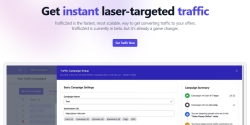
Traffic Zest changes the game. It still operates within the realm of solo ads but introduces a crucial innovation. You can set up an ad campaign on the site, choose your niche, like Make Money Online, Weight Loss, or Health, and select from top solo ad vendors to drive traffic to your squeeze page or website. You can even leave your options open for all top vendors to participate, which I highly recommend.
The geographical location of your traffic isn't a constraint either. You can specify countries or opt for top-tier countries to maximize effectiveness. You can also choose the devices from which your traffic will originate, be it mobile or desktop.
What sets Traffic Zest apart is its bidding system, similar to setting up a Facebook ad but without the high risk of overspending before seeing any return on investment. The site allows you to set a Cost Per Click (CPC) rate, for example, bids can range from $0.28 to $1.46. You determine a daily spending limit, and the platform will deliver clicks within this budget, ensuring efficient use of your advertising dollars.
This system provides flexibility to pause and modify your ad campaign if it's not converting well, offering a significant advantage over traditional methods. It's a user-friendly, less risky approach that still caters to the needs of serious marketers.
From my personal experience, the traffic from Traffic Zest is high-quality and comes from reputable sources. Setting up ads is straightforward, and there's plenty of guidance available online if you need it. In my ongoing campaigns, I've noticed that the traffic is not only engaged but also results in high opt-in rates, which is crucial for building an effective email list.
Pros:
Highly engaged traffic from top solo ad vendors.
Good opt-in rates enhance list building.
Controlled spending with daily limits, similar to Facebook ad setups.
Simple, stress-free setup process.
Cons:
As of now, there's nothing I dislike about TrafficZest. Should this change, I'll be sure to update this review.
Final Verdict:
Give TrafficZest a try! It's a fantastic resource for any online marketer looking to enhance their traffic quality and improve their list-building efforts. The affordability and effectiveness of its unique bidding system make it a superior choice compared to traditional solo ads. I regret not joining sooner, as the benefits have been substantial.
I do highly recommend TrafficZest To anyone willing to build traffic. I still have yet to spend my first investment in this traffic source as traffic comes in and still on the higher end of my initial investment.
I have received good traffic from this source and continue to monetize it. I think everyone should have this in their online arsenal.
Thank you for reading my review. I hope it provides you with valuable insights into TrafficZest and helps you make an informed decision about using it to boost your online marketing efforts. I wholeheartedly recommend TrafficZest for anyone focused on building a robust email list.
*UPDATE*
I have now earned 2 sales with this traffic and have earned MANY, MANY sign ups to a lot of my offers all off of 1 investment of 100 dollars. I did a review on my youtube channel too where I showed that I had sales from traffic zest. It is totally amazing and a great traffic source to truly invest in!
I highly, HIGHLY, recommend it. Also do keep in mind the results are not typical and at the end of the day... Your emails, offers, capture pages, and thank-you pages GREATLY impact what success you will have as this is a soload type website... But I have sales using this great website!
*UPDATE 2025*
TrafficZest still remains as one of my best traffic sources to get highly engaged traffic to my list. I have been even using it with programs like OLSP and MAP and getting sales with it.
The people that come off of TrafficZest are real people and do engage but much like all the traffic out there... YOU have to nurture them PROPERLY to get sales. You cannot expect people to just come into your list and buy things... You have to nurture them and if you aren't using the proper techniques then you won't get sales.
The traffic I get from TrafficZest though has built my list considerably and I am glad to have such an awesome platform in my traffic arsenal like TrafficZest.
Visit Trafficzest.com
What exactly is TrafficZest.com? It's not your typical traffic safelist or exchange. Instead, it offers a unique and effective method for driving traffic to your site.
Remember the old process of hunting for a solo ad provider, setting up your campaign, and hoping for the best? It seems almost archaic now, though it was just a common practice a year ago. You would input your URL, choose your desired number of clicks, see the cost, and then send your payment, only to often end up disappointed with low conversion rates that didn't even cover your initial investment.
Traffic Zest changes the game. It still operates within the realm of solo ads but introduces a crucial innovation. You can set up an ad campaign on the site, choose your niche, like Make Money Online, Weight Loss, or Health, and select from top solo ad vendors to drive traffic to your squeeze page or website. You can even leave your options open for all top vendors to participate, which I highly recommend.
The geographical location of your traffic isn't a constraint either. You can specify countries or opt for top-tier countries to maximize effectiveness. You can also choose the devices from which your traffic will originate, be it mobile or desktop.
What sets Traffic Zest apart is its bidding system, similar to setting up a Facebook ad but without the high risk of overspending before seeing any return on investment. The site allows you to set a Cost Per Click (CPC) rate, for example, bids can range from $0.28 to $1.46. You determine a daily spending limit, and the platform will deliver clicks within this budget, ensuring efficient use of your advertising dollars.
This system provides flexibility to pause and modify your ad campaign if it's not converting well, offering a significant advantage over traditional methods. It's a user-friendly, less risky approach that still caters to the needs of serious marketers.
From my personal experience, the traffic from Traffic Zest is high-quality and comes from reputable sources. Setting up ads is straightforward, and there's plenty of guidance available online if you need it. In my ongoing campaigns, I've noticed that the traffic is not only engaged but also results in high opt-in rates, which is crucial for building an effective email list.
Pros:
Highly engaged traffic from top solo ad vendors.
Good opt-in rates enhance list building.
Controlled spending with daily limits, similar to Facebook ad setups.
Simple, stress-free setup process.
Cons:
As of now, there's nothing I dislike about TrafficZest. Should this change, I'll be sure to update this review.
Final Verdict:
Give TrafficZest a try! It's a fantastic resource for any online marketer looking to enhance their traffic quality and improve their list-building efforts. The affordability and effectiveness of its unique bidding system make it a superior choice compared to traditional solo ads. I regret not joining sooner, as the benefits have been substantial.
I do highly recommend TrafficZest To anyone willing to build traffic. I still have yet to spend my first investment in this traffic source as traffic comes in and still on the higher end of my initial investment.
I have received good traffic from this source and continue to monetize it. I think everyone should have this in their online arsenal.
Thank you for reading my review. I hope it provides you with valuable insights into TrafficZest and helps you make an informed decision about using it to boost your online marketing efforts. I wholeheartedly recommend TrafficZest for anyone focused on building a robust email list.
*UPDATE*
I have now earned 2 sales with this traffic and have earned MANY, MANY sign ups to a lot of my offers all off of 1 investment of 100 dollars. I did a review on my youtube channel too where I showed that I had sales from traffic zest. It is totally amazing and a great traffic source to truly invest in!
I highly, HIGHLY, recommend it. Also do keep in mind the results are not typical and at the end of the day... Your emails, offers, capture pages, and thank-you pages GREATLY impact what success you will have as this is a soload type website... But I have sales using this great website!
*UPDATE 2025*
TrafficZest still remains as one of my best traffic sources to get highly engaged traffic to my list. I have been even using it with programs like OLSP and MAP and getting sales with it.
The people that come off of TrafficZest are real people and do engage but much like all the traffic out there... YOU have to nurture them PROPERLY to get sales. You cannot expect people to just come into your list and buy things... You have to nurture them and if you aren't using the proper techniques then you won't get sales.
The traffic I get from TrafficZest though has built my list considerably and I am glad to have such an awesome platform in my traffic arsenal like TrafficZest.
Visit Trafficzest.com


Agustinus Mando's review...
My experience with the program so far
My experience with AI Viral Downline has been practical and easy to evaluate, especially because the platform offers a 7-day free trial. This allowed me to test the system, understand the tools, and observe how the structure works before making any long-term decision.
During my 7-day free trial, I was able to personally sponsor 3 members, using the system and guidance provided. In addition to that, I also received 3 spillover members within the same 7-day period. This helped me clearly see how both personal effort and team-based growth are built into the system design.
The onboarding process is straightforward, and the platform explains the flow clearly. Even without advanced technical skills, it was easy to follow the steps and understand how promotion, automation, and team structure work together. Overall, my experience so far shows that AI Viral Downline is designed to help users get started quickly while learning how the system functions in real conditions.
What I Like
There are several important aspects of AI Viral Downline that stand out, particularly the compensation plan and the Emily AI bot, which are central to how the system operates.
Compensation Plan
What I like about the compensation plan is its simplicity and clarity. The structure is easy to understand, even for beginners, and it focuses on duplication rather than complicated calculations. Members know exactly how the system works, which helps reduce confusion and unrealistic expectations.
The plan is designed to reward both personal referrals and team growth, encouraging cooperation rather than competition. The spillover concept is especially helpful for new members, as it allows them to benefit from team activity while they are still learning how to promote consistently. This makes the system more supportive for beginners who may not yet have strong marketing experience.
Another positive point is that the compensation structure is transparent. Users can clearly see how memberships, upgrades, and commissions are connected, which helps build trust in the system.
Emily AI Bot
The Emily AI bot is one of the most valuable tools in AI Viral Downline. Emily is designed to assist with communication by explaining the system, answering common questions, and guiding prospects through the basic information. This helps maintain consistent messaging and professionalism across the team.
What I appreciate most is that Emily does not replace human interaction but supports it. The bot handles repetitive explanations and follow-ups, which saves time and reduces the pressure on new members who may feel uncomfortable answering every question manually. This is especially useful for people who are new to online marketing or not confident in sales conversations.
Because the bot operates continuously, prospects can receive information even when the member is offline. This improves responsiveness and helps ensure that interested visitors are not left without answers.
Overall System Design
In addition to the compensation plan and Emily bot, I like that AI Viral Downline is an all-in-one system. Users do not need multiple external tools to begin. The platform provides pages, automation, AI assistance, and guidance in one place, which makes the learning curve easier and more manageable.
What I Dislike
There are a few considerations to keep in mind, although they are not major issues.
New users may need some time to fully understand the flow of the system, especially how automation, the bot, and team structure work together. While the platform is beginner-friendly, taking time to learn the tools will help users get better results.
Also, even with AI and automation, consistent effort and learning are still important. The system supports users, but it does not remove the need to stay involved and apply what is provided. This is normal for most structured online platforms.
These points are more about learning and adjustment rather than actual weaknesses of the system.
Final Verdict
Based on my experience so far, AI Viral Downline offers a structured and AI-assisted approach to affiliate marketing. During my 7-day free trial, I sponsored 3 members directly and received 3 spillover members, which helped me understand how the system is designed to work in practice. The simple compensation plan, combined with the Emily AI bot, makes the platform suitable for beginners who want guidance, automation, and a clear process. While results depend on individual effort and consistency, the system aims to reduce technical barriers and support users through automation and team structure.
For those who are exploring AI-powered marketing systems and prefer a guided, duplicatable approach, AI Viral Downline is worth reviewing carefully.
If you are looking to join a team where the system is actively used and understood, you are welcome to join my team and evaluate the platform together.
Visit Aiviraldownline.com
My experience with AI Viral Downline has been practical and easy to evaluate, especially because the platform offers a 7-day free trial. This allowed me to test the system, understand the tools, and observe how the structure works before making any long-term decision.
During my 7-day free trial, I was able to personally sponsor 3 members, using the system and guidance provided. In addition to that, I also received 3 spillover members within the same 7-day period. This helped me clearly see how both personal effort and team-based growth are built into the system design.
The onboarding process is straightforward, and the platform explains the flow clearly. Even without advanced technical skills, it was easy to follow the steps and understand how promotion, automation, and team structure work together. Overall, my experience so far shows that AI Viral Downline is designed to help users get started quickly while learning how the system functions in real conditions.
What I Like
There are several important aspects of AI Viral Downline that stand out, particularly the compensation plan and the Emily AI bot, which are central to how the system operates.
Compensation Plan
What I like about the compensation plan is its simplicity and clarity. The structure is easy to understand, even for beginners, and it focuses on duplication rather than complicated calculations. Members know exactly how the system works, which helps reduce confusion and unrealistic expectations.
The plan is designed to reward both personal referrals and team growth, encouraging cooperation rather than competition. The spillover concept is especially helpful for new members, as it allows them to benefit from team activity while they are still learning how to promote consistently. This makes the system more supportive for beginners who may not yet have strong marketing experience.
Another positive point is that the compensation structure is transparent. Users can clearly see how memberships, upgrades, and commissions are connected, which helps build trust in the system.
Emily AI Bot
The Emily AI bot is one of the most valuable tools in AI Viral Downline. Emily is designed to assist with communication by explaining the system, answering common questions, and guiding prospects through the basic information. This helps maintain consistent messaging and professionalism across the team.
What I appreciate most is that Emily does not replace human interaction but supports it. The bot handles repetitive explanations and follow-ups, which saves time and reduces the pressure on new members who may feel uncomfortable answering every question manually. This is especially useful for people who are new to online marketing or not confident in sales conversations.
Because the bot operates continuously, prospects can receive information even when the member is offline. This improves responsiveness and helps ensure that interested visitors are not left without answers.
Overall System Design
In addition to the compensation plan and Emily bot, I like that AI Viral Downline is an all-in-one system. Users do not need multiple external tools to begin. The platform provides pages, automation, AI assistance, and guidance in one place, which makes the learning curve easier and more manageable.
What I Dislike
There are a few considerations to keep in mind, although they are not major issues.
New users may need some time to fully understand the flow of the system, especially how automation, the bot, and team structure work together. While the platform is beginner-friendly, taking time to learn the tools will help users get better results.
Also, even with AI and automation, consistent effort and learning are still important. The system supports users, but it does not remove the need to stay involved and apply what is provided. This is normal for most structured online platforms.
These points are more about learning and adjustment rather than actual weaknesses of the system.
Final Verdict
Based on my experience so far, AI Viral Downline offers a structured and AI-assisted approach to affiliate marketing. During my 7-day free trial, I sponsored 3 members directly and received 3 spillover members, which helped me understand how the system is designed to work in practice. The simple compensation plan, combined with the Emily AI bot, makes the platform suitable for beginners who want guidance, automation, and a clear process. While results depend on individual effort and consistency, the system aims to reduce technical barriers and support users through automation and team structure.
For those who are exploring AI-powered marketing systems and prefer a guided, duplicatable approach, AI Viral Downline is worth reviewing carefully.
If you are looking to join a team where the system is actively used and understood, you are welcome to join my team and evaluate the platform together.
Visit Aiviraldownline.com


John Magellon's review...
I am updating my review as at February 12th, 2026 as I have to report that LeadsLeap never fails to amaze me!
As an Internet Marketing Expert and Consultant since 2001, I have had the privilege of guiding and training people from all walks of life who have the common strong desire of making a living out of the Internet.
During our first contact, I recommend that they join LeadsLeap and have their account fully set up before we go any further in their training.
LeadsLeap has all the free tools and advertising platforms any newbie can dream of, and all that is accessible to the FREE member and even more to the PRO member.
I have been a PRO member at LeadsLeap for many years, and I am always amazed by the new tools that Kenneth Koh, the creator of this wonderful program, adds all the time.
During my Internet marketing career, I have been using marketing tools from various places, which in the end become very expensive, but with my LeadsLeap PRO membership, I have now closed all these accounts as new tools are made available on this platform.
It is extremely rewarding to have everything you need under one roof, which also saves a lot of money.
Furthermore, the support system here at LeadsLeap is exceptional. I frequently reached out to Kenneth to resolve various issues I encountered, and he consistently provided me with a comprehensive response, not merely a generic, universal message, but a customized, step-by-step solution accompanied by screenshots when necessary.
The affiliate program is also another thing that is important to mention, as it is exceptional. Indeed, not only can I use all these wonderful and high-quality tools, but I can also make a decent income when sharing the various affiliate links put at my disposal.
To finalize, yes, it is one of the best, if not the best, marketing platforms I have come across during my online career... Highly recommended!
John
Visit Leadsleap.com
As an Internet Marketing Expert and Consultant since 2001, I have had the privilege of guiding and training people from all walks of life who have the common strong desire of making a living out of the Internet.
During our first contact, I recommend that they join LeadsLeap and have their account fully set up before we go any further in their training.
LeadsLeap has all the free tools and advertising platforms any newbie can dream of, and all that is accessible to the FREE member and even more to the PRO member.
I have been a PRO member at LeadsLeap for many years, and I am always amazed by the new tools that Kenneth Koh, the creator of this wonderful program, adds all the time.
During my Internet marketing career, I have been using marketing tools from various places, which in the end become very expensive, but with my LeadsLeap PRO membership, I have now closed all these accounts as new tools are made available on this platform.
It is extremely rewarding to have everything you need under one roof, which also saves a lot of money.
Furthermore, the support system here at LeadsLeap is exceptional. I frequently reached out to Kenneth to resolve various issues I encountered, and he consistently provided me with a comprehensive response, not merely a generic, universal message, but a customized, step-by-step solution accompanied by screenshots when necessary.
The affiliate program is also another thing that is important to mention, as it is exceptional. Indeed, not only can I use all these wonderful and high-quality tools, but I can also make a decent income when sharing the various affiliate links put at my disposal.
To finalize, yes, it is one of the best, if not the best, marketing platforms I have come across during my online career... Highly recommended!
John
Visit Leadsleap.com
GetResponse is the first email marketing system I ever purchased. That was many years ago. And you know what? It's still part of my product stack today. I use it. I recommend it. I integrate it into every affiliate business I build.
Now, I know what you're thinking: "You've tested dozens of email platforms over the years. You understand marketing automation deeply. Why do you still use GetResponse? "
Here's my honest answer: because it was the first tool to show me what automation actually means.
The Real Shift: From Email Tool to Automation System
When I started using GetResponse (fresh perspective, new integration), something clicked that people often miss when they're shopping for email platforms.
Most beginners think email marketing is about sending emails. You capture a lead, you email them. They click, they buy. Done.
Wrong.
The real game isn't sending. It's nurturing at scale. And that's where GetResponse separated itself from every basic email tool I'd used before.
Here's the difference: Basic autoresponder systems offer limited solutions. They handle nurturing through list segmentation, you can push prospects to different lists, but that's it. GetResponse's automation engine opens far more possibilities. You can direct your prospect exactly as you prefer, based on the workflow YOU define. IF they open → action. IF they click → different action. IF they buy → customer sequence. This is not list-switching. This is intelligent routing based on behavior. And that's a significant leap in quality.
GetResponse's automation engine? It's different. It's not AI. It's a workflow builder that YOU control.
You set the rules. You decide the triggers. You configure the paths.
Someone clicks your landing page but doesn't buy? You create an automation rule that sequences them to a different email path. Someone opened your last 3 emails but never clicked? You set that trigger and the resulting action. Someone is ready to upgrade? You build that workflow.
The difference: instead of sending everyone the same email, you design multiple paths based on prospect behavior, and the system executes exactly what you programmed.
That's the leap. And I'll explain why it matters so much for beginners.
What I Like
1. Automation Without a Developer
You don't need APIs, webhooks, or technical knowledge. The automation builder is visual, drag sequences, set conditions, connect actions.
I built my entire welcome sequence with branching, segmentation, and conditional delays in 45 minutes. That's not possible in most platforms without hiring someone.
2. All-in-One Platform Means Smarter Workflows
Email + landing pages + CRM + SMS in one dashboard. Here's the advantage: when your email platform knows who visited your landing page, what they clicked, what they watched, your automation workflows become more effective because you have complete data.
You can create triggers like: "IF landed on page X AND opened email Y AND clicked button Z → do this. "
With separate tools, this integrated intelligence is impossible.
3. AI Course Creator (Recently Added)
GetResponse added online course functionality that integrates with your automation workflows. When a student enrolls, an automation sequence fires. When they complete lessons, different sequences trigger.
It's not a Kajabi-killer. But it's a smart addition that keeps you in one ecosystem instead of juggling three tools.
What I Dislike
1. The Interface Is Cluttered
GetResponse has been around since 2001. You can feel it. The platform has grown by layering features on top of features. It works, but it's not elegant. First-time users think: "Is that under Automations? Tools? Integrations? "
Reality: This is a one-time pain. Once you learn the structure, it's fine. Watch the tutorials.
2. The Automation Learning Curve Is Real
GetResponse's automation capabilities are impressive, but the learning curve is significant. The builder has options that won't make sense until you understand your own customer journey deeply.
I spent 3 weeks experimenting before building anything I actually used. That's expected. You're learning a new system.
Final Verdict
Rating: 7.5/10 for most users | 8.5/10 for beginners | 8/10 for affiliate marketers
GetResponse is the best all-in-one platform to start with. You learn email, automation, pages, CRM, SMS, and now course creation in one place, without hiring a developer.
You won't outgrow it until you need specialized tools for specific channels.
My recommendation: Start with GetResponse. Learn how to design workflows that respond to prospect behavior. Understand your customer journey. Build real sequences based on actions.
Once you've mastered that? Then decide if you need something more specialized.
Because the tool doesn't matter. Knowing how to build workflows based on behavior does.
Visit Getresponse.com